You’re scrolling through your messages, and your friend drops a random “que?” no capitals, no punctuation. You stare at it for a second. Totally fair to be confused. It happens to the best of us.
So before you reply with a nervous “lol what?”, let’s break it down properly. Here’s everything you need to know about what que means in texting and online conversations and how to use it yourself.
Quick Answer:
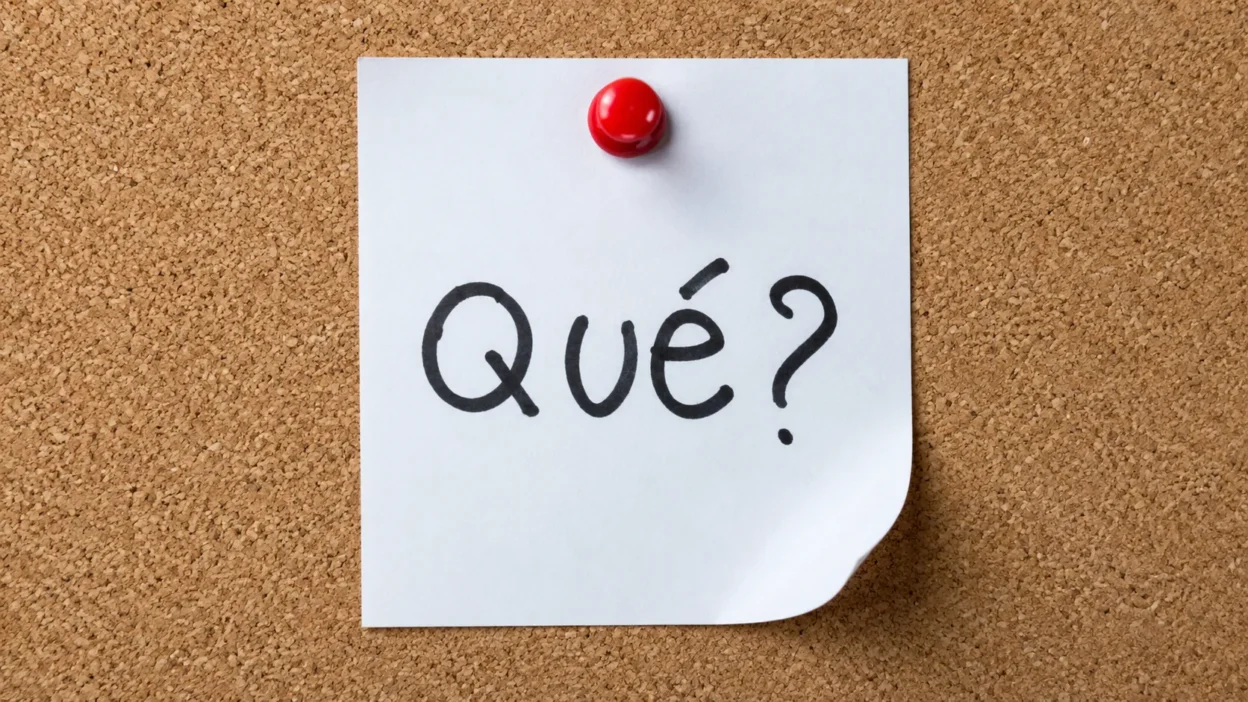
“Que” means “What?” borrowed from Spanish, it’s a casual, short, and often playful way of expressing confusion, surprise, or asking for clarification in texts and social media.
What Does “Que” Mean in Text?
The word que comes directly from Spanish, where it literally translates to “what” or “that.” In English texting and internet slang, it’s used in the same way: to say “what?” but in a cooler, more effortless, and borderline dramatic way.
Think of it as the multilingual cousin of “huh?” You see something wild in your group chat, and instead of typing out a full “wait, what did you just say?”, you just drop a casual que and let that do all the heavy lifting.
It’s also sometimes written with an accent mark (qué), which is the grammatically correct Spanish form, but in casual texting the accent is almost always skipped.
Example sentence: “Que?? You told him WHAT?!” here it expresses pure, unfiltered shock.
In short: Que = “What?” = A casual/dramatic expression of surprise, confusion, or disbelief.
Where Is “Que” Commonly Used?
- 📱 Text messaging probably the most common place; quick, low-effort reactions
- 🎵 TikTok comments used constantly when reacting to wild or unexpected content
- 📸 Instagram DMs and comments especially among bilingual or Latino communities
- 👻 Snapchat casual, ephemeral reactions to unexpected snaps
- 🐦 Twitter / X dropped in replies when something surprising is posted
- 🎮 Gaming chats when something unexpected happens mid-game
- 💬 WhatsApp group chats very common in Spanish-speaking communities and multilingual groups
Tone check: “Que” is firmly casual and informal. It’s social-media-friendly and great in friendly conversations, but you wouldn’t drop it in a work email or a formal message. It also carries a slightly playful or even dramatic energy like you’re throwing your hands up in bewilderment.
Examples of “Que” in Conversation
Here’s how it actually shows up in real texting situations:
A
i just found out jake has been lying this whole time 💀
QUE??? bestie spill rn
B
A
i accidentally texted my boss “ily” instead of ok 😭
que 💀💀💀 bro no way
B
A
he said he’s never had pizza before
que?? how is that even possible lmao
B
A
they cancelled the show after ONE season
QUE that’s so unfair omg 😤
B
A
she showed up wearing the same outfit as the bride
que??? the audacity 😭😭
B
A
he unfollowed me but still watches all my stories
que la what 😂 that’s so weird
B
When to Use and When Not to Use “Que”
✅ When to Use
- Reacting to shocking news from friends
- Expressing playful confusion in group chats
- Responding to memes or funny content
- Casual back-and-forth with close friends
- Adding drama or humor to a situation
- When texting bilingual friends
❌ When Not to Use
- Formal emails or professional messages
- Conversations with your boss or teacher
- Serious or emotionally sensitive situations
- Customer service or official communication
- When context requires clarity, not humor
- First impressions with strangers
| Context | Example Phrase | Why It Works |
| Friend Chat | “Que?? No way that happened 😂” | Casual, expressive, and fun |
| Group Chat | “que que QUE spill everything” | Playful escalation, fits the vibe |
| Work Chat | “Sorry, could you clarify that?” | Polite and professional |
| Formal Email | “I wasn’t quite sure I understood could you elaborate?” | Formal and respectful |
Similar Slang Words or Alternatives
| Slang | Meaning | When to Use |
| Huh? | What? / confused | Mild confusion, very casual |
| Say what? | Surprised “what?” | Playful disbelief in texts |
| WHAT (all caps) | Shocked disbelief | Reacting to wild news |
| Wdym | “What do you mean?” | Asking for clarification |
| Oof | Surprised/uncomfortable | Reacting to awkward news |
| No way | Disbelief or shock | Casual conversations, texts |
| Bruh | Exasperated disbelief | Reacting to something absurd |
FAQs About “Que”
Q1: Is “que” proper English?
A: No, “que” is not standard English it is borrowed from Spanish. In English, the correct spelling is “what.” However, in internet slang and texting culture, “que” is widely understood and used casually.
Q2: Is “que” offensive or rude?
A: Not at all! “Que” is typically playful and light-hearted. It is only potentially rude if used dismissively in a serious conversation tone and context always matter.
Q3: Is “que” the same as “qué” in Spanish?
A: Essentially, yes. “Qué” in Spanish is an interrogative meaning “what.” In texting, the accent mark is dropped for convenience, but the meaning stays the same.
Q4: Can non-Spanish speakers use “que”?
A: Absolutely. Language on the internet is borderless. “Que” has been adopted widely across English-speaking online communities, especially among younger generations on TikTok and Instagram.
Q5: Is “que” flirty?
A: It can be, depending on context. Dropping a teasing “que?? 👀” in a flirty conversation adds a fun, dramatic flair. But on its own, it is not inherently flirtatious.
Q6: What is the difference between “que,” “que?” and “QUE!”?
A: “que” is mild confusion, “que?” adds a questioning tone, and “QUE!” in all caps signals absolute shock or dramatic disbelief. Capitalization and punctuation dramatically change the intensity in texting.

Ernest Hemingway is a passionate writer and storyteller, dedicated to sharing meaningful messages that inspire, motivate, and connect people. Through his work on MsgVibes.com, he brings thoughtful insights and heartfelt words to readers around the world