You’re scrolling through Twitter, casually lurking in the comments, when suddenly someone writes: “I’m very chalant about this, actually.” You stop. Wait, is that even a word? You’ve heard nonchalant a thousand times, but chalant? Your brain does a tiny somersault and you find yourself opening a new tab to figure out what on earth it means. Sound familiar? You’re in the right place.
This little slang gem has been quietly sneaking into internet conversations, and once you know it, you’ll start spotting it everywhere.
Quick Answer:
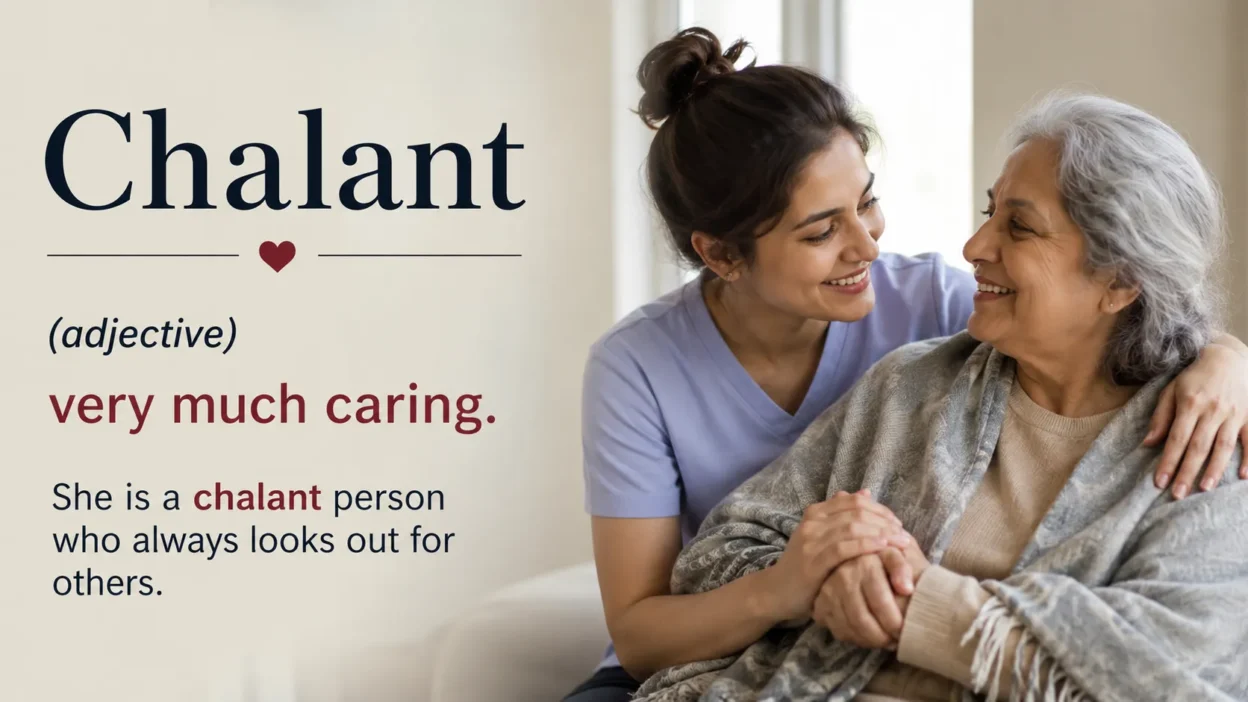
Chalant means “very much caring” or “totally concerned and showing it.” It’s a playful, humorous way of saying the opposite of nonchalant used to humorously emphasize that you are bothered, worried, or emotionally invested in something.
🧠 What Does Chalant Mean in Text?
Here’s the fun backstory: the word nonchalant means calm, cool, and casually indifferent like nothing in the world bothers you. The prefix “non-” obviously means “not.” So logically, if you strip away the “non,” you’re left with chalant which would mean the total opposite.
Except here’s the catch: chalant was never actually a real standalone word in the English language. It comes from the French word chaloir (to care or matter), but it never made it into everyday English on its own. That is, until the internet got hold of it.
Internet users particularly on Twitter, Reddit, and Tumblr started using chalant as a comedic, tongue-in-cheek way to say “I genuinely care,” “I am absolutely not chill about this,” or “I am very bothered by this, thank you.” It’s ironic, self-aware, and very on-brand for internet humor.
Example sentence:
“unlike most people, i am very chalant about the season finale. i have been crying for three days.”
In short: Chalant = the opposite of nonchalant = very much caring / visibly concerned / emotionally invested.
📱 Where Is Chalant Commonly Used?
Chalant lives almost entirely in online and casual digital spaces. You won’t hear it in boardrooms or find it in formal essays it’s a creature of the internet, through and through.
- 🐦 Twitter / X
- 📸 Instagram captions
- 💬 Tumblr posts
- 🎮 Discord & gaming chats
- 📱 Snapchat & texting
- 🎵 TikTok comments
It’s primarily used in casual, humorous contexts especially when someone wants to be funny about the fact that they’re actually very emotionally involved in something trivial (a TV show, a meme, a sports result). The humor comes from using a “fake” word with total confidence, which immediately signals internet-savvy.
Formality level: Very casual. 100% internet slang. Never formal.
💬 Examples of Chalant in Conversation
Example 1 Fandom / TV shows
A: did you watch the finale? it wasn’t that big a deal lol
B: excuse me? i am EXTREMELY chalant about that ending. i haven’t slept 😭
Example 2 Sports drama
A: it’s just a game, chill out
B: i am the most chalant person in this stadium rn. i might cry
Example 3 Petty drama
A: why do you even care what she said??
B: because i am very chalant, karen. very. chalant.
Example 4 Self-aware humor
A: you seem upset lol
B: i would just like everyone to know i am deeply chalant about my cat ignoring me today
Example 5 Food / trivial complaints
A: they were out of your fave flavor?? just pick another one
B: no. i am chalant. this ruined my day
Example 6 Sarcastic agreement
A: you don’t actually care about this, right?
B: oh i am the chalant-est person alive about this situation rn 😤
Example 7 Online argument
A: why are you so worked up over a tweet?
B: because unlike you, i am fully chalant 24/7 and i make no apologies
🕓 When to Use and When NOT to Use Chalant
✅ When to Use
- When joking about caring too much
- In casual chats with friends
- On social media for comedic effect
- When reacting to memes or pop culture
- When you want to be funny about your feelings
- In gaming or fandom spaces
❌ When NOT to Use
- In work emails or professional messages
- In formal or academic writing
- With people unfamiliar with internet slang
- In serious or emotional conversations
- In customer service or business settings
- When clarity matters more than humor
| Context | Example Phrase | Why It Works |
| Friend Chat | “I’m very chalant about this finale 😤” | Casual, funny, relatable |
| Twitter / X | “unlike most of you, i am chalant” | Ironic, internet-native humor |
| Gaming Discord | “I am the most chalant player in this lobby rn” | Fits the casual group tone |
| Work Chat | “I’m quite concerned about this.” | Polite, professional, clear |
| Formal Email | “I would like to express my concern regarding…” | Formal and appropriate |
🔄 Similar Slang Words or Alternatives
| Slang | Meaning | When to Use |
| Chalant | Very much caring / visibly concerned | Humorous online contexts |
| Pressed | Upset or bothered about something | Casual texting, social media |
| Salty | Bitter or irritated about a situation | Texting, gaming, TikTok |
| Bothered | Emotionally affected or troubled | Casual & semiformal use |
| In my feelings | Very emotional about something | Texting, Instagram, Twitter |
| Invested | Deeply emotionally engaged | Casual conversation, Reddit |
❓ FAQs About Chalant
Is “chalant” a real word?
Traditionally it was never a standalone English word. It’s a humorous back-formation from “nonchalant” that the internet popularized as slang.
Where did “chalant” come from?
It originated from internet humor, particularly on Tumblr and Twitter, where users jokingly used it as the logical opposite of “nonchalant.” The joke is that the word doesn’t technically exist.
How is “chalant” different from “nonchalant”?
Nonchalant means calm and unbothered. Chalant (as used online) means the complete opposite: very bothered, emotionally invested, or clearly caring.
Is “chalant” used sarcastically?
Almost always, yes. The humor comes from using it as if it were a completely normal and valid word, which makes the statement funnier.
Can you use “chalant” in formal writing?
No, it’s exclusively internet slang. In professional or formal contexts, use “concerned,” “invested,” or “bothered” instead.
Is “chalant” positive or negative?
It’s neutral in tone but funny in delivery. It just means you care deeply whether that’s excitement, frustration, or worry depending on the context.
J.K. Rowling is an internationally celebrated author whose words have inspired generations. Her meaningful quotes shared on MsgVibes.com reflect creativity, strength, and imagination.