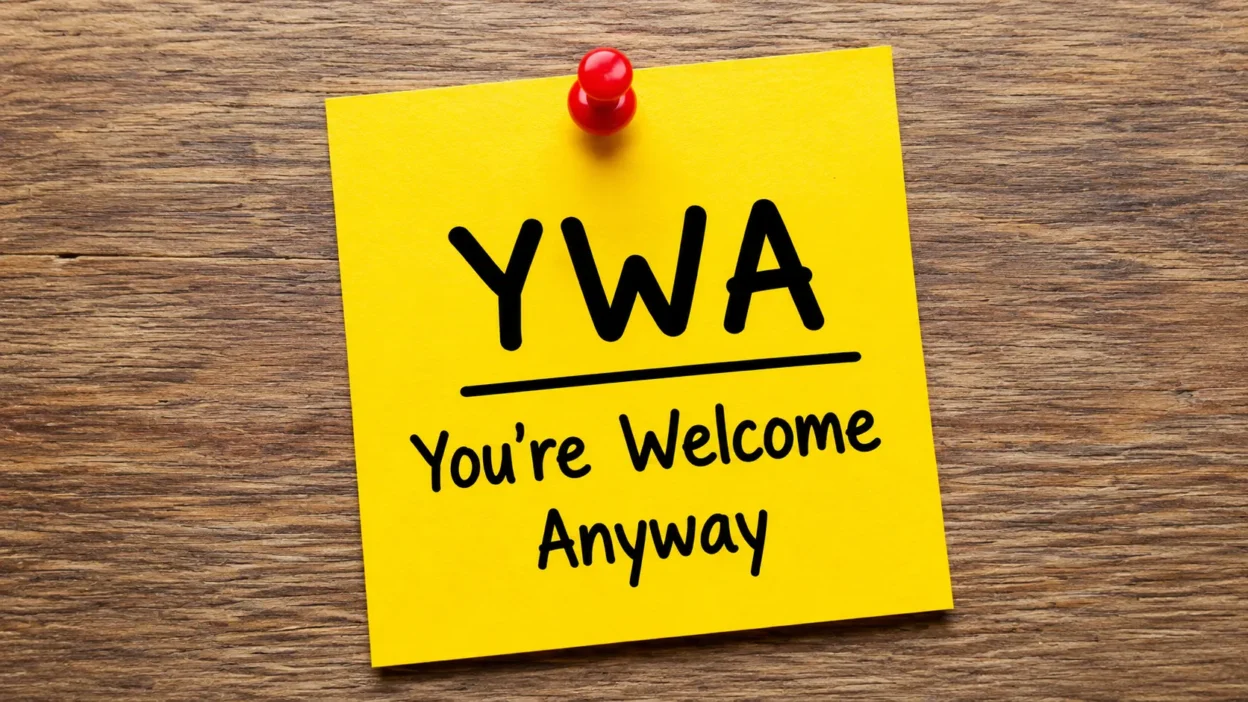
Have you ever sent a “thanks!” message and got a simple “ywa” in reply… and then paused, wondering what it actually meant? You’re not alone. Text slang evolves fast, and sometimes even short replies can feel confusing if you’re not used to them.
The good news? It’s usually something positive and friendly, nothing to stress about.
Quick Answer:
YWA means “You’re Welcome Anyway.” It’s a polite and slightly casual way of saying “you’re welcome,” often used even when the thanks wasn’t clearly expressed or expected.
🧠 What Does YWA Mean in Text?
YWA stands for “You’re Welcome Anyway.”
It’s typically used when someone helps, responds, or does something nice even if the other person forgets to say thank you or the appreciation is implied rather than explicitly stated.
For example:
“i sent you the notes earlier, ywa 😊”
This shows a mix of politeness and light humor. Sometimes it can even carry a playful tone, like gently reminding someone to acknowledge your effort.
In short: YWA = You’re Welcome Anyway = polite (sometimes playful) acknowledgment after helping someone.
YWA Meaning in Text Messages from a Boy
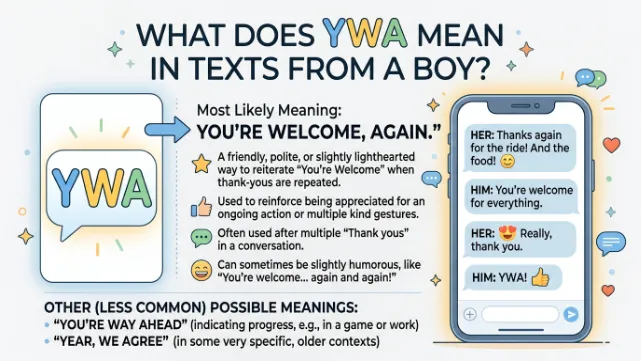
When a boy texts YWA, it almost always means “You’re Welcome Anyway.” He uses it after helping you or answering a question, especially if you didn’t say “thank you.” Depending on the situation, it can sound playful, sarcastic, or slightly annoyed.
For example, if he gives you information and doesn’t get a response, he might text “YWA 😂” as a lighthearted way of saying, “You’re welcome anyway.”
Examples of YWA in a Conversation
Example 1
You: “What’s the homework?”
Boy: “Pages 45–47.”
(No reply)
Boy: “YWA 😂”
Meaning: “You’re welcome anyway.”
Example 2
You: “Thanks for helping me!”
Boy: “YWA 😊”
Meaning: He’s politely saying, “You’re welcome anyway.”
Example 3
You: “You always know the answer lol.”
Boy: “YWA 😎”
Meaning: He’s jokingly responding, “You’re welcome anyway.”
Is YWA Rude?
Not usually. The tone depends on the conversation:
- 😊 Friendly: Used as a joke between friends.
- 😅 Playful: Light teasing after helping someone.
- 😒 Slightly sarcastic: If the other person forgot to say thanks.
- ❌ Not typically flirty: It’s generally a casual response rather than a romantic one.
YWA Meaning in Text from a Guy
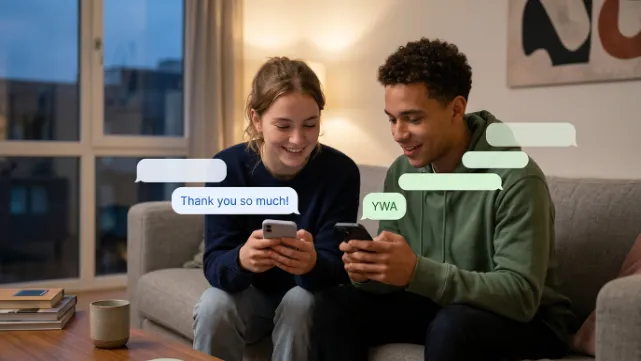
When a guy texts YWA, it usually stands for “You’re Welcome Anyway.” He often sends it after helping you, answering a question, or doing you a favor, especially if you forgot to say “thank you.” Depending on the tone of the conversation, it can come across as friendly, humorous, or slightly sarcastic.
In most cases, YWA isn’t meant to be rude. Instead, it’s a playful reminder that he did something helpful.
Examples of YWA from a Guy
Example 1
You: “Can you send me the notes?”
Guy: “Just sent them.”
(No reply for a while)
Guy: “YWA 😆”
Meaning: “You’re welcome anyway.”
Example 2
You: “Thanks for picking me up!”
Guy: “YWA 😊”
Meaning: He’s politely saying, “You’re welcome anyway.”
Example 3
You: “You saved me today.”
Guy: “YWA 👍”
Meaning: A casual response meaning, “You’re welcome.”
Is YWA Flirty?
Usually, no. A guy typically uses YWA as a casual or joking response after helping someone. However, if you’re already flirting, the playful tone can make the conversation feel more personal.
📱 Where Is YWA Commonly Used?
You’ll mostly spot YWA in casual, everyday digital conversations. Here’s where it’s popular:
- 💬 Text messaging (SMS & WhatsApp) quick replies between friends
- 📸 Snapchat chats short, informal exchanges
- 🎵 TikTok comments & DMs playful or sarcastic tone
- 🎮 Gaming chats fast-paced, casual communication
- 📱 Social media (Instagram, Facebook Messenger) friendly interactions
👉 Tone:
- Mostly casual
- Can be friendly or slightly sarcastic
- Not suitable for formal communication
YWA Meaning in Text From a Guy
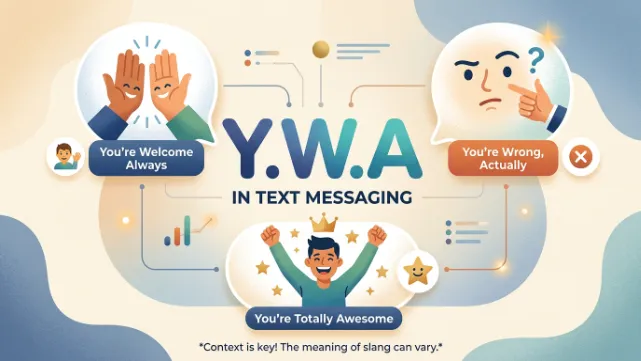
When a guy texts YWA, it most commonly means “You’re Welcome Anyway.” It’s a casual texting abbreviation used after someone doesn’t respond to a favor, forgets to say thank you, or when the sender is being playful or slightly sarcastic.
For example, if a guy helps you with something and doesn’t get a response, he might text “YWA 😂” to jokingly say, “You’re welcome anyway.” In most cases, it’s meant as lighthearted humor rather than being rude.
Common Examples
- Him: Sent you the notes earlier… YWA 😄
- Him: I fixed the problem for you. YWA 😂
- Him: Guess I don’t get a thank you… YWA.
- Him: You’re welcome anyway! YWA 😅
- Him: I knew you’d forget to say thanks. YWA lol.
What Does It Usually Mean?
If a guy uses YWA in a text, it often means:
- He’s saying “You’re Welcome Anyway.”
- He’s joking that you forgot to thank him.
- He’s teasing you in a playful way.
- He’s acknowledging that he helped you.
- He’s using light sarcasm rather than expressing real anger.
The tone depends on the conversation. If it’s followed by laughing emojis like 😂, 😅, or 😄, it’s almost always meant as a joke. If it appears during an argument or serious discussion, it may sound more sarcastic or slightly annoyed.
In most casual texting conversations, YWA = You’re Welcome Anyway, and it’s simply a humorous way of pointing out that someone forgot to say “thank you.”
YWA Meaning on Snapchat
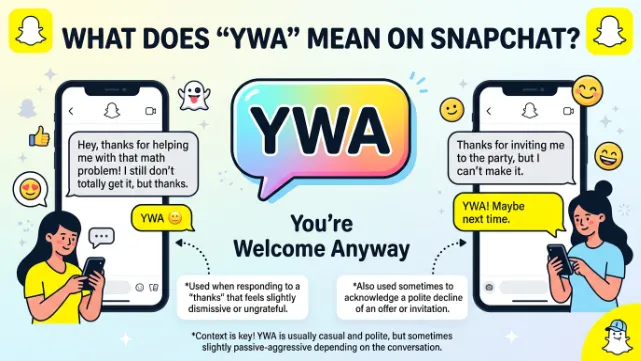
On Snapchat, YWA most commonly stands for “You’re Welcome Anyway.” People use it when they’ve done someone a favor or answered a question, but the other person didn’t say “thank you.” It’s usually meant as a playful or sarcastic remark rather than a serious complaint.
For example, if you ask a friend for help on Snapchat and forget to thank them, they might reply with “YWA 😂” to jokingly remind you.
Common Snapchat Examples
A: Can you send me the homework?
B: Sent! YWA 😄
A: Thanks for the Snap!
B: lol, YWA 😂
A: Where’s the party tonight?
B: I already told you… YWA 😅
A: Did you edit my photo?
B: Yep! YWA 😉
What Does YWA Usually Mean on Snapchat?
On Snapchat, YWA commonly means:
- 😊 You’re Welcome Anyway
- 😂 A playful reminder that someone forgot to say thanks
- 💬 A casual response after helping someone
- 🤝 Friendly teasing between friends
- 😅 Light sarcasm, depending on the conversation
Is YWA Rude on Snapchat?
Usually, no. Most Snapchat users send YWA as a joke, especially when it’s paired with emojis like 😂, 😄, or 😉. However, if it’s used during an argument or without friendly context, it can come across as sarcastic or slightly annoyed.
In most Snapchat conversations, YWA = You’re Welcome Anyway. It’s a casual abbreviation used to humorously acknowledge that someone forgot to say “thank you.”
What Does YWA Mean From a Girl?
When a girl texts YWA, it most commonly means “You’re Welcome Anyway.” She usually sends it after helping you, answering a question, or doing you a favor when you forgot to say “thank you.” Most of the time, it’s playful and lighthearted rather than rude.
For example, if she sends you notes or gives you advice and you don’t respond with “thanks,” she might jokingly text “YWA 😄” to point it out.
Common Examples
- Girl: I sent you the pictures earlier. YWA 😊
- Girl: Found the answer for you… YWA 😂
- Girl: Guess you forgot to say thanks. YWA 😅
- Girl: You’re welcome anyway! YWA ❤️
- Girl: I already helped you… YWA lol.
What Does It Usually Mean?
If a girl uses YWA in a text, it often means:
- She’s saying “You’re Welcome Anyway.”
- She’s teasing you for forgetting to say thank you.
- She’s being playful or joking.
- She’s acknowledging that she helped you.
- She may be using mild sarcasm, depending on the conversation.
Is YWA Flirty?
YWA itself is not a flirty abbreviation. It simply means “You’re Welcome Anyway.” However, if she pairs it with affectionate emojis like ❤️, 🥰, or 😉, or continues the conversation in a warm and engaging way, the overall tone may feel flirtatious. The abbreviation alone doesn’t indicate romantic interest.
In most casual conversations, YWA = You’re Welcome Anyway, and it’s simply a humorous way for a girl to remind someone that they forgot to say “thank you.”
💬 Examples of YWA in Conversation
Here are some realistic ways YWA shows up in chats:
1. Friendly reminder
- A: Did you send the file?
- B: yeah i emailed it this morning, ywa 😄
2. Playful tone
- A: oh i didn’t even see that
- B: lol i helped you already… ywa 😂
3. Light sarcasm
- A: no reply after help
- B: guess no thanks needed… ywa 🙃
4. Casual politeness
- A: thanks for explaining that!
- B: ywa! anytime 👍
5. Subtle acknowledgment
- A: oh that helped a lot
- B: ywa 😊
6. Slight teasing
- A: you’re the best
- B: haha ywa 😎
7. Quick response
- A: got it now
- B: ywa
🕓 When to Use and When Not to Use YWA
Understanding the tone is key. YWA can come across differently depending on context.
✅ When To Use
- With friends or close contacts
- In casual chats
- When being playful or lighthearted
- After helping someone (especially informally)
- When you want to add a bit of humor or personality
❌ When Not To Use
- In professional emails or work chats
- During serious or sensitive conversations
- With people who may misunderstand sarcasm
- In formal requests or responses
- When clarity and professionalism are important
📊 Usage Comparison Table
| Context | Example Phrase | Why It Works |
| Friend Chat | “i sent it earlier, ywa 😄” | Casual & playful |
| Group Chat | “helped already… ywa lol” | Light humor |
| Work Chat | “You’re welcome.” | Professional tone |
| “You’re welcome, happy to help.” | Formal & respectful |
🔄 Similar Slang Words or Alternatives
If you’re looking for other ways to say “you’re welcome” or express similar vibes, here are some options:
| Slang | Meaning | When to Use |
| YW | You’re welcome | Quick, neutral reply |
| NP | No problem | Friendly and relaxed |
| NBD | No big deal | When help was easy |
| DW | Don’t worry | Reassuring someone |
| IDC | I don’t care | Casual, but can sound blunt |
| LOL | Laugh out loud | Adds humor to responses |
❓ FAQs About YWA
1. Is YWA rude?
Not usually. It’s mostly friendly, but can feel slightly sarcastic depending on tone and context.
2. Is YWA formal or informal?
It’s informal and best used in casual conversations.
3. Can YWA be used professionally?
No, it’s better to use “you’re welcome” in professional settings.
4. Does YWA always mean sarcasm?
No. It can be genuine, playful, or sarcastic depending on how it’s used.
5. Is YWA common?
It’s not as common as “YW,” but it’s still used in casual texting and social media.
📌 Final Thoughts
YWA is a small but expressive piece of modern texting language. Whether it’s used sincerely or with a hint of humor, it helps keep conversations light and relatable.
Just remember context is everything. With friends, it can be funny and natural. In formal situations, it’s better to stick with traditional responses.

Virginia Woolf is a creative writer at msgvibes.com, sharing simple yet meaningful messages and quotes that reflect emotions, thoughts, and everyday moments.